This piece from TWW’s Greg Brophy was first published by the Sterling Journal-Advocate and can be accessed here.

A Pro-Business Pause for Energy and Data Center Projects in Logan County
By Greg Brophy | December 16, 2025
Less than a year into President Trump’s second term, the scale of investment and construction in the nation’s energy and technology sectors is staggering.
The Trump administration is aggressively pursuing two related goals: The need to upgrade America’s aging energy infrastructure and the need for America – not China – to win the global race for artificial intelligence (AI).
This has unleashed a wave of investment in the power grid and the data centers that support AI, data storage and cloud computing. And the most attractive places to build those data centers are regions with an all-of-the-above inventory of energy sources, especially natural gas, wind and solar.
This has made Western states like Colorado, Wyoming, Arizona and Texas extremely attractive to data centers and energy infrastructure projects. Within Colorado, the Eastern Plains is a major sweet spot, because of our long history combining oil and natural gas development with renewables like wind and solar.
But for local communities, this wave of investment – while welcome – can be overwhelming. The Trump-fueled construction boom in both energy and technology looks and feels different than past waves of investment, and local rules governing siting and permitting may need updating.
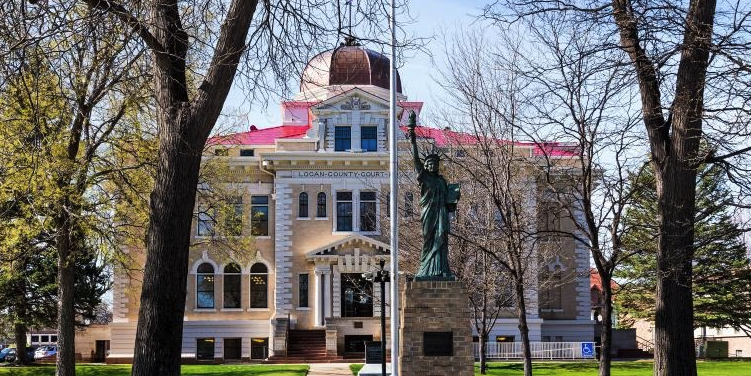
That was the thinking behind a six-month permitting pause announced in October by the Logan County Commission in Eastern Colorado.
The pause applies to approvals for data centers, battery storage facilities, and wind and solar farms that local regulations governing these projects can be updated if needed.
During the debate on the pause, the commissioners made a point of saying they are not anti-development. Data center and energy investment in Logan County is welcome and the developers behind these projects will have a seat at the table when the regulations are updated, just as they should.
This pro-business approach makes a lot of sense. Besides the jobs these projects will create, hundreds of millions of dollars in capital investment will grow the country’s property tax base, boosting funding for a host of essential services, including public schools, water districts, hospitals and law enforcement agencies.
The commissioners also said they will try to keep the pause as short as possible. The update for data centers and battery storage facilities will be worked on first, with wind and solar to follow. As each set of local regulations are updated, the pause will be lifted.
The commitment to moving quickly is reassuring. In other parts of the state, far-left groups have used permitting pauses as the first step toward effective bans on energy sources they oppose, especially oil and natural gas development.
Thankfully, Logan County is a pro-growth, common-sense community where the “bait and switch” tactics of the far left have no place.
For an example of how Logan County’s approach can deliver better outcomes for all stakeholders, I recommend taking a look at another rural county on the other side of the state in Western Colorado.
Back in early 2024, Mesa County officials were facing a major increase in permitting requests for solar energy facilities, and the existing land-use regulations just weren’t fit for purpose.
County commissioners implemented a six-month pause to update those regulations – and actually got the job done in four months.
In that time, Mesa County brought forward some of the best solar permitting regulations in the state, including a streamlined “use by right” approval process for property owners that enforces siting, design and construction requirements without the need for lengthy rezoning and waiver hearings.
It was a positive example of serious and thoughtful permitting reforms that other rural communities, including Logan County, could easily adapt to their own local needs.
President Trump’s goals of energy and AI dominance are a massive opportunity for investment in rural America. Smart updates to local siting and permitting regulations can make sure community support for these projects remains strong and the benefits from these projects are long lasting.
That seems to the be the approach that Logan County is taking, and I cannot wait to see the results.
Greg Brophy is a former state legislator from the Eastern Plains who now operates The Western Way, a conservative group that promotes land-use issues and energy development.