
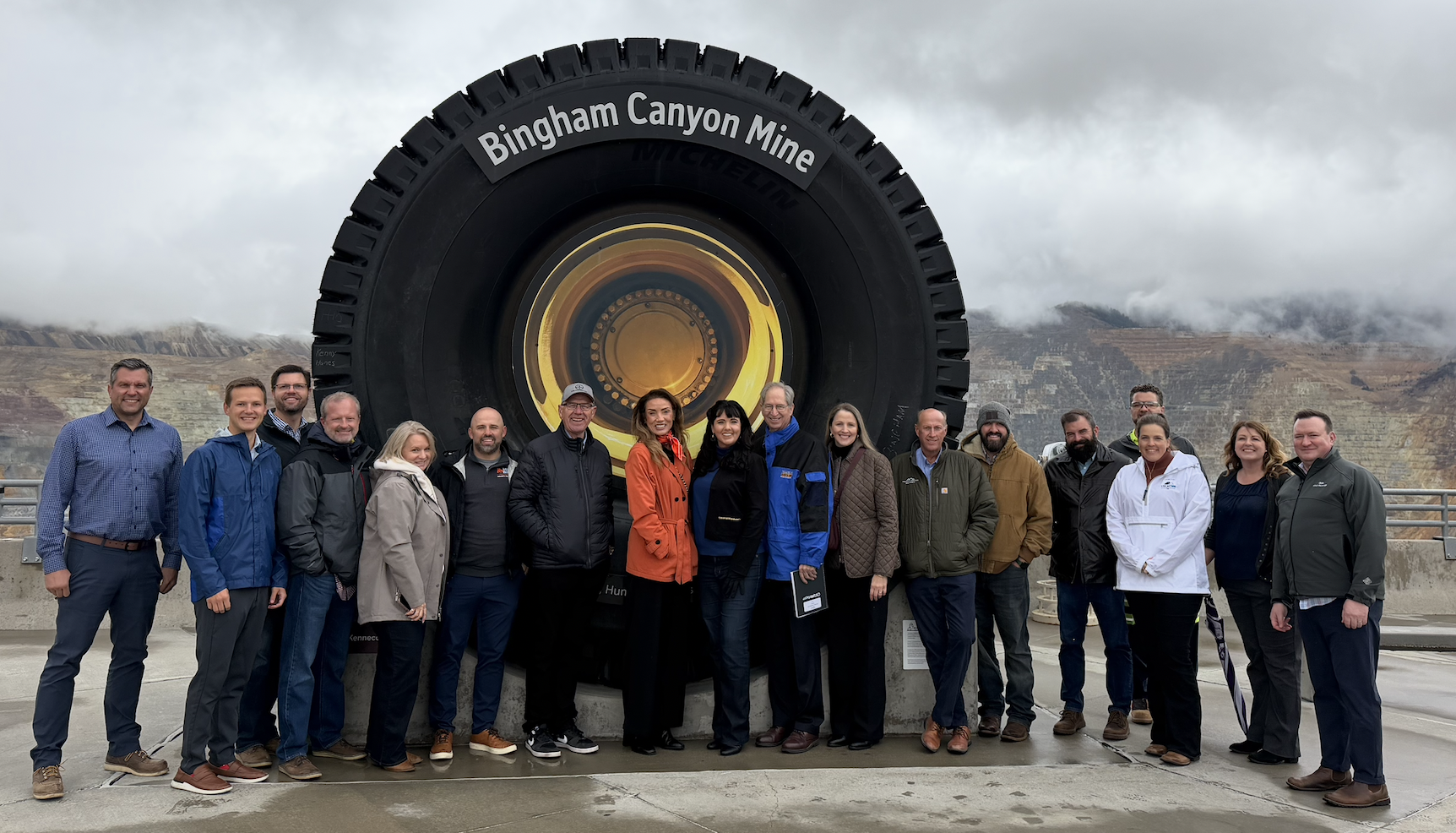
Every power line, vehicle and defense system starts as rock pulled out of the ground somewhere. On October 13, The Western Way took 14 Utah elected and incoming officials to see where.
TWW hosted a lunch briefing on critical minerals and federal permitting reform near Rio Tinto's Kennecott operation, then led the group on a tour of the Bingham Canyon Mine. The group included state senators and representatives, the mayor of Herriman, and county commissioner candidates from Salt Lake and Utah counties. Seven of them are on the ballot next week, so the people who saw the mine are the people who will write Utah's next round of minerals policy.
TWW opened the event by introducing our work and framing why critical minerals matter. We made a simple case: minerals are where energy policy starts. A secure, affordable energy future depends on a reliable domestic supply, and that supply depends on being able to permit new projects on a predictable timeline.
Kennecott produces copper and tellurium, and both are now federally designated critical minerals. It also runs one of only two copper smelters in the United States. Without that smelter, more American ore would be shipped overseas to be processed.
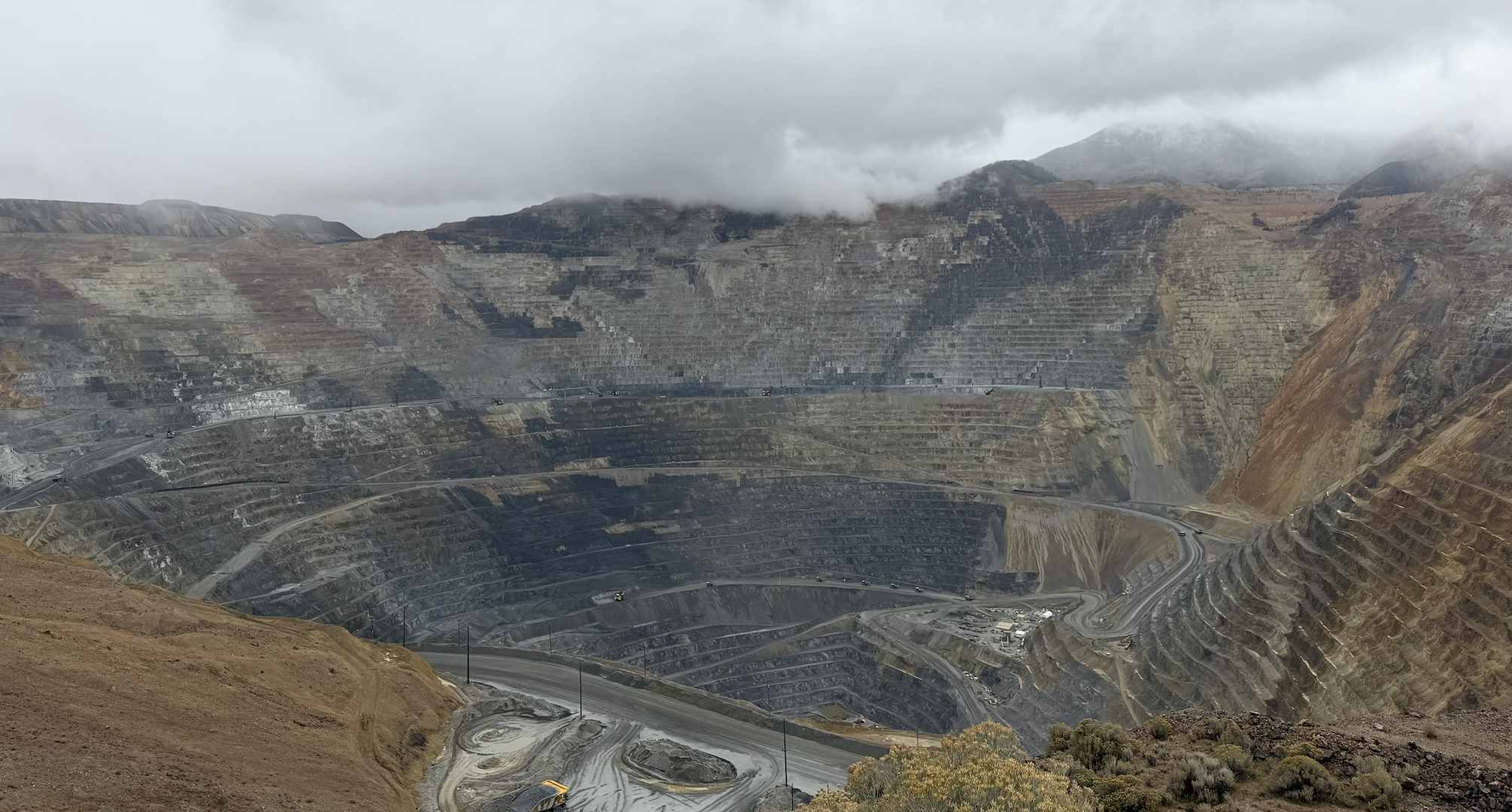
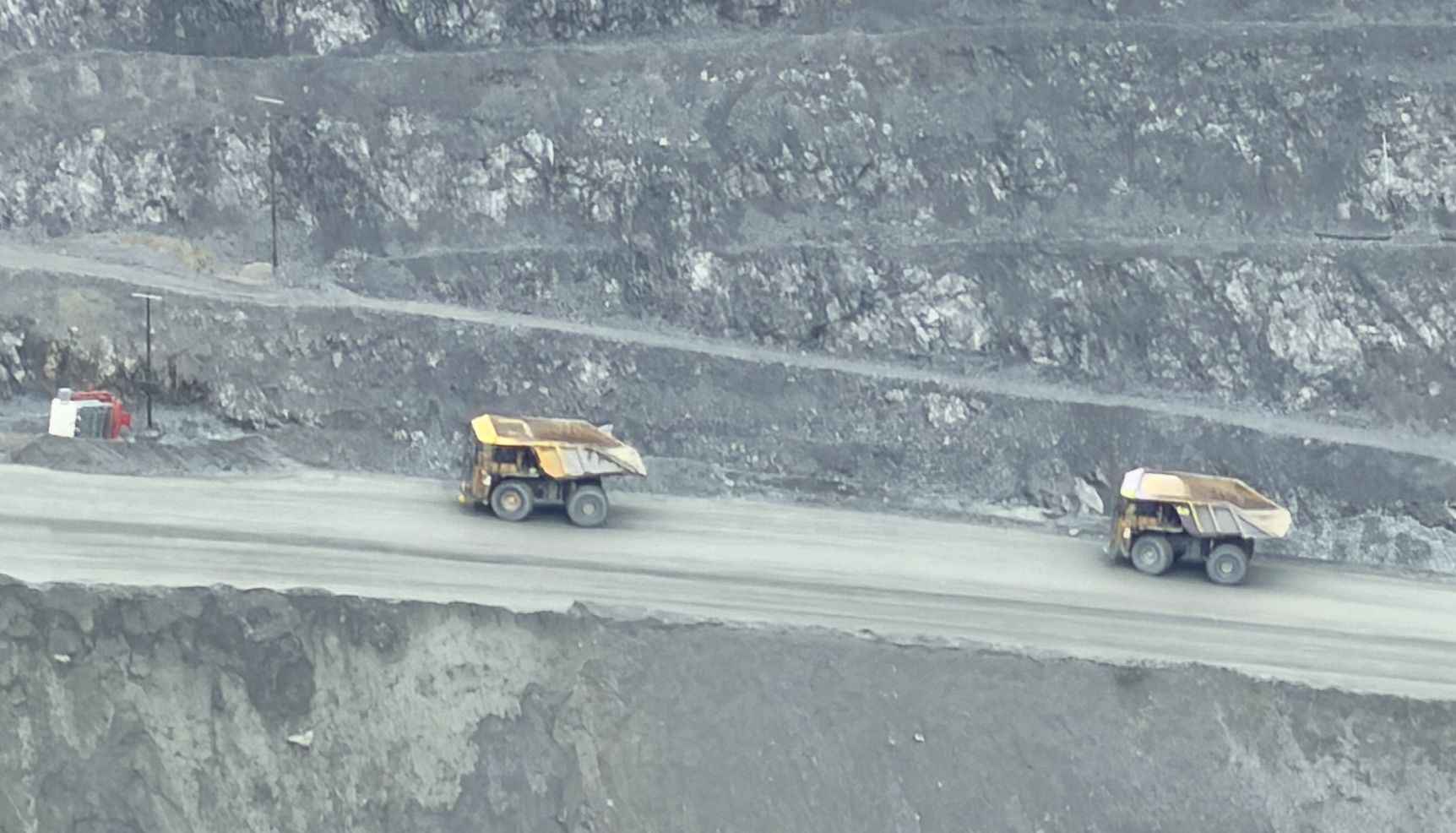
After the briefing, the group headed up to the Bingham Canyon Mine. Rain and low clouds didn't hide its scale. From the overlook, the officials watched haul trucks working the terraced pit walls, each one carrying ore that will become the copper in wiring, motors and transmission lines.
Why critical minerals matter
Critical minerals are the materials the U.S. economy and national security depend on whose supply is at risk of disruption. Too much of that supply runs through foreign countries, China above all, for the mining, the processing or both. In November 2025 the federal government expanded its critical minerals list to 60 and added copper for the first time.
Utah is unusually well placed to help. The state holds deposits of 50 of those 60 minerals. This year the Legislature passed SB 254, which sets goals to supply 20–25% of U.S. critical minerals demand, process at least half of Utah-mined minerals in state, and bring permitting timelines under 18 months.
Good state policy only goes so far when most major mining projects also need federal approval. A new U.S. mine can spend years in federal review before it moves its first ton of ore. TWW supports federal permitting reform that sets firm timelines and gives investors certainty, without cutting environmental standards. Domestic supply chains depend on being able to say yes to good projects in years, not decades.
Thank you to Rio Tinto and the Utah Mining Association for sharing their expertise, and to every official who spent a rainy afternoon learning where America's critical minerals come from.