This piece from TWW’s Greg Brophy was first published by the Greeley Tribune on September 16, 2026 and can be accessed here.

Greg Brophy: Practical approach to energy and permitting draws big investments to rural communities
By Greg Brophy
PUBLISHED: September 16, 2026
In the farming and ranching communities of the American West, we don’t care much for political grandstanding. We’re a practical bunch. We’d rather make things work than make a point.
That’s probably why in the reddest of red counties, you’ll see wind farms and solar panels dotting the landscape alongside oil and natural gas wells. It’s not about politics, it’s about adding new sources of income for landowners to supplement their earnings from growing crops and raising livestock.
Simply put, we support “all of the above” when it comes to energy. This common sense philosophy has served us well in the past and it’s the key to our energy future.
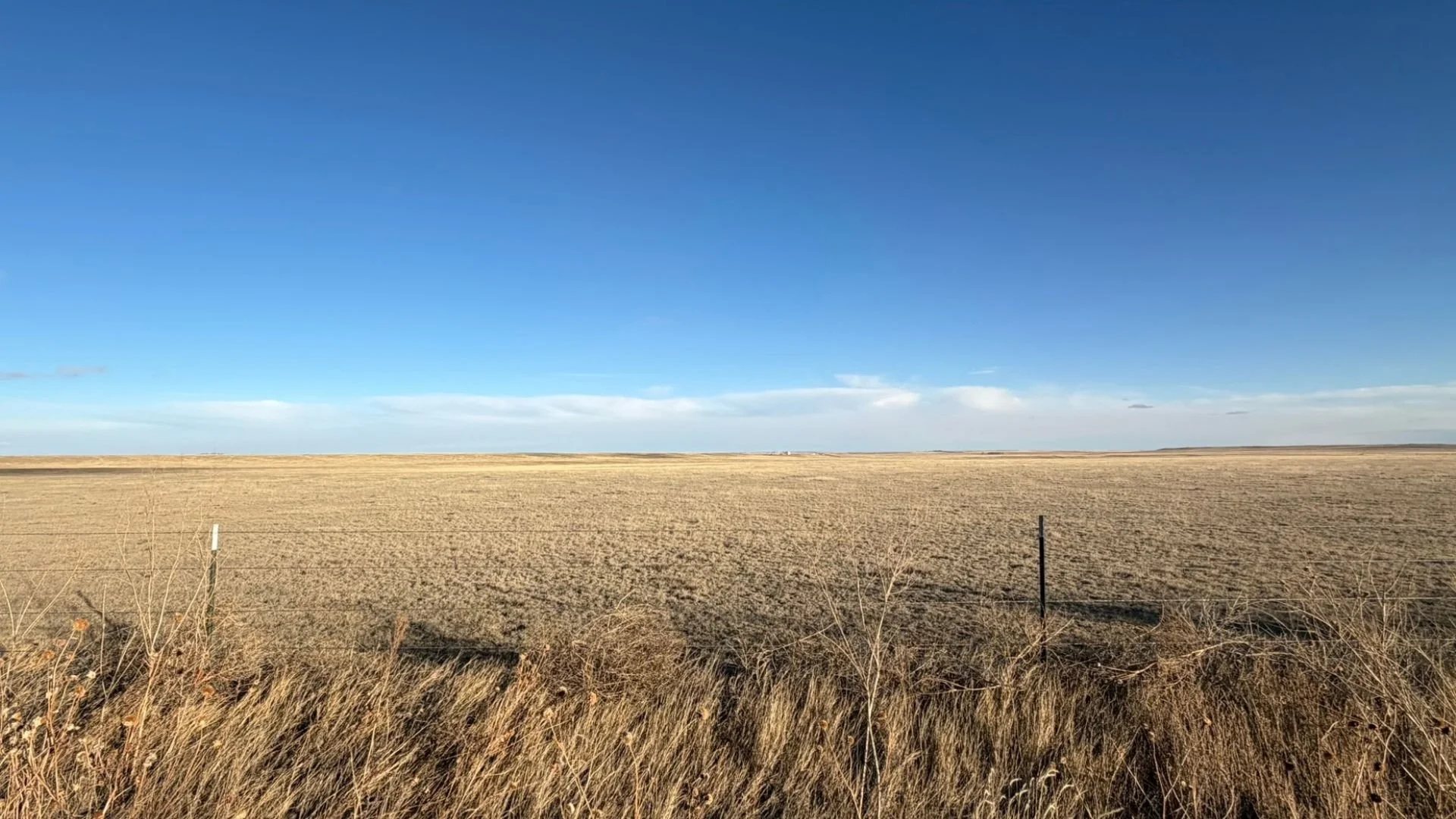
For a good example, look no further than the proposed Chalk Bluffs Energy project, spanning the Colorado-Wyoming border between northern Weld County and southern Laramie County.
This $1.67 billion power generation project doesn’t put all its eggs in one basket. By combining 300 megawatts of solar, 428 megawatts of wind, and a 500 megawatt-hour battery storage system, Chalk Bluffs will be a major source of both reliable and renewable electricity for the Rocky Mountain region.
It also happens to be co-located with the largest oil and gas producing county in Colorado and the third largest oil and gas producing county in Wyoming — a fact that might seem ironic to people on the East and West coasts, but actually makes perfect sense to anyone who lives here.
You might have noticed that America is facing an energy crunch after decades of underinvestment in our power grid and other forms of infrastructure. With President Trump back in office, that’s finally changing, and our country is starting to build big things again.
Again, this is where the pragmatism and values of rural America come to the fore.
In farming and ranching communities, we believe in private property rights and sensible permitting procedures. Unlike our cousins in the cities and suburbs, we don’t put property owners through a seemingly endless cycle of bureaucracy whenever they try to build anything.
Here again, Chalk Bluffs is a case in point: 97% of the project’s land is leased through long-term agreements with private landowners, providing them with a steady, diversified stream of income.
The footprint is designed so that ranching and existing oil and gas operations can continue right alongside the new turbines and panels. It’s the same approach farmers and ranchers have taken for generations: Finding new ways to create value from the same land for a more secure way of life.
The values of northeast Colorado and southeast Wyoming also mean that we try to be good neighbors, and expect others to do the same.
Thankfully, the people who are partnering with local landowners to build the Chalk Bluffs project have been paying attention.
During the construction phase, the developers will fund improvements to county roads where needed and utilize private access points to keep heavy traffic away from main thoroughfares. Plans for keeping traffic, noise and dust to a minimum will also be rolled out with community input.
And as for water, while a small amount will be needed during the construction phase, the Chalk Bluffs energy project will have no impact on existing water systems or groundwater wells.
This all leads to an obvious question: How long will it take before Chalk Bluffs is up and running?
The project is going through the permitting process as we speak, with a series of community open houses and land use hearings to be held this year. The estimated start date for construction is sometime in the fall of 2027, with operations projected to commence in 2029.
For America to have a bright future, we need energy from all the sources we can muster and we need to learn how to build big things again.
Here in northeast Colorado and southeast Wyoming, we know about energy and we know how to build. Now’s our chance to show the rest of the country — and the rest of the world — how it’s really done.
Greg Brophy is a farmer and former state senator serving Weld County and Eastern Colorado. He is currently the Colorado Director for The Western Way. The Western Way is supporting Chalk Bluffs Energy.