A new commentary from the International Energy Agency confirms what market signals have been telling us for years: advanced geothermal energy is one of the most promising investment opportunities in the American energy sector — and it’s being driven not by government mandates, but by private capital, technological innovation and surging demand for reliable power.
The IEA’s January 2026 analysis, “Investment in Next-Generation Geothermal Is Surging,” documents a remarkable acceleration of private investment into enhanced geothermal systems — technologies built on the same drilling and hydraulic fracturing expertise that made America an oil and gas superpower. According to the IEA, up to 80 percent of the investment required in a geothermal project involves skills and capacity directly transferable from existing oil and gas operations. That’s not a coincidence. It’s a competitive advantage that American energy workers are uniquely positioned to exploit.
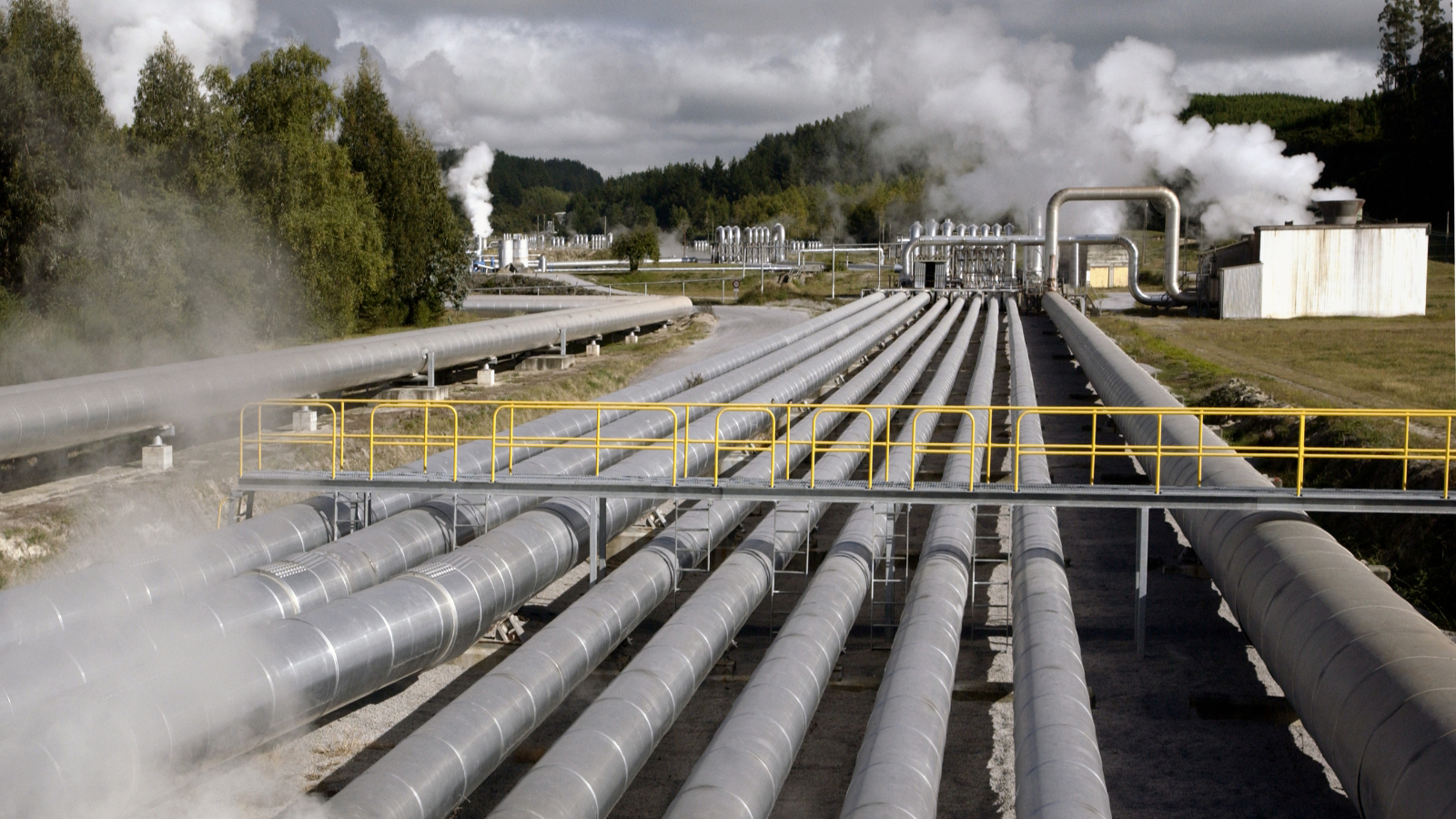
The IEA singled out the U.S. Department of Energy’s FORGE project in Beaver County, Utah — a public-private partnership that has nearly doubled drilling rates in just a few years. FORGE collaborator Fervo Energy, which has raised over a billion dollars in private investment, has achieved drilling speeds that would have been unthinkable a short time ago. Fervo’s Cape Station project in Utah is expected to deliver power starting this year and reach 500 megawatts by 2028, making it the largest enhanced geothermal development in the world. That means hundreds of construction jobs and significant new property tax revenue for a rural community that has historically relied on a narrow economic base.
What’s powering this investment boom? The market. Technology companies like Google and Meta are signing long-term power purchase agreements with geothermal developers because they need reliable, around-the-clock energy to power the data centers essential to America’s dominance in artificial intelligence. These are hard-nosed business decisions by companies that need power they can count on 24 hours a day. Unlike solar and wind, geothermal delivers exactly that — with utilization rates above 75 percent, compared to less than 30 percent for wind and less than 15 percent for solar.
The IEA estimates that with continued cost reductions, geothermal could deliver electricity at around $50 per megawatt-hour by 2035 — making it one of the cheapest sources of reliable, low-emissions power available, competitive with hydro, nuclear and even solar paired with battery storage. That kind of price point isn’t achieved through mandates. It’s achieved through innovation and competition.
This is the “all of the above” energy strategy in action. Geothermal doesn’t replace oil and gas — it extends the same American expertise into a new frontier. It complements other energy sources, strengthens the grid with firm, dispatchable power, and creates jobs in rural communities that need them most. The IEA projects that employment in the geothermal sector could increase sixfold to one million jobs by 2030.
For policymakers, the takeaway is straightforward. The most impactful thing government can do for geothermal is streamline permitting so that projects aren’t stuck in a decade of red tape before a single well is drilled. Continued support for public-private research partnerships like FORGE — and the preservation of tax incentives for emerging technologies in President Trump’s One Big Beautiful Bill Act — keeps the playing field open for the kind of innovation that is already transforming this sector.
The energy business has never been a zero-sum game, and geothermal proves it. The market is speaking. Let’s make sure we’re listening.