
The Western Way today released a comprehensive economic impact study showing that utility-scale renewable energy development has become one of the most significant economic forces in Utah’s rural communities, representing $8.4 billion in construction and investment activity from 2007 through 2028.
The study, conducted by the Crossroads Economics Center at Weber State University, analyzed 41 utility-scale solar, wind and geothermal projects across Utah. It found that these projects have supported more than 34,600 job-years of employment statewide, generated $5.2 billion in total construction-period economic output, and added $3.1 billion in value to Utah’s economy.
“Utah doesn’t have a mandatory renewable portfolio standard. What we have is a state where the economics of solar, wind and geothermal energy simply work, particularly in rural areas with abundant land, strong solar resources and access to transmission infrastructure,” said Steve Handy, Utah Director for The Western Way and a former Utah state legislator. “This study puts hard numbers on what many of us in rural Utah already know: Renewable energy is an economic success story for our communities.”
The economic benefits extend well beyond the construction phase. On an annual basis, ongoing operations at these facilities support approximately 1,570 jobs, $244.6 million in economic output and $113.7 million in wages, salaries and benefits – stable, recurring contributions to the economy rather than one-time windfalls.
Key Findings
$8.4 billion in total construction and investment activity from 41 utility-scale renewable energy projects (2007–2028)
34,600 job-years of employment supported statewide, including 19,300 job-years of direct onsite construction labor
$5.2 billion in total construction-period economic output, with $3.1 billion in value added to Utah’s economy
1,570 ongoing jobs supported annually, with $244.6 million in economic output and $113.7 million in wages
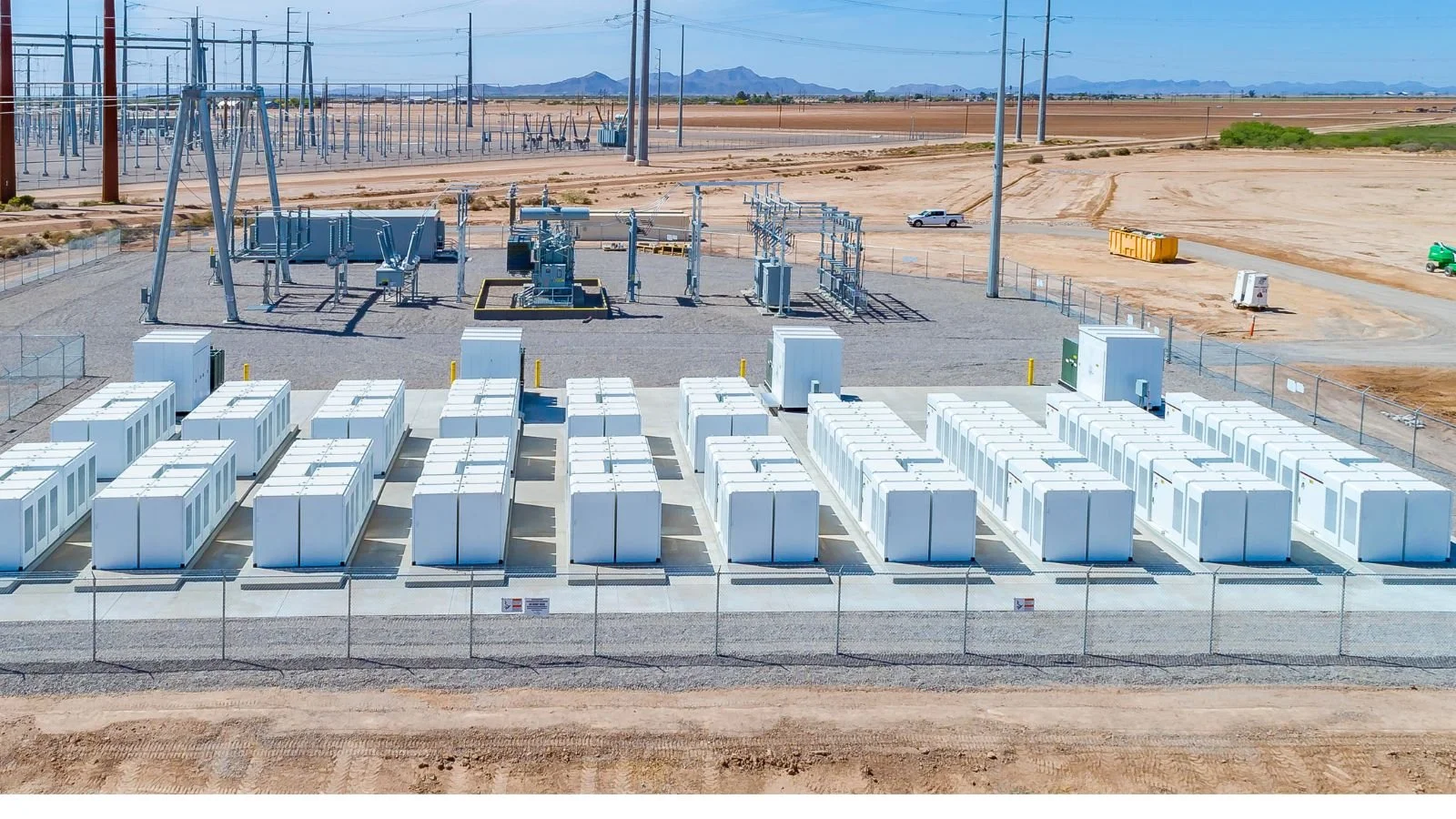
$865 Million in economic output and $556 million in value added from 1,170 MW of energy storage that is installed or planned.
$33 million per year in property tax revenue funding schools, fire departments and other essential services in rural communities
$4 million per year in land lease payments to rural landowners
94 percent of new electric generating capacity added in Utah since 2015 has been solar – driven by market economics, not government mandates
1,170 megawatts of installed and planned battery storage capacity, with storage construction supporting 6,300 additional job-years and $865 million in economic output
Market Economics, Not Mandates
Unlike many states, Utah does not have a mandatory renewable portfolio standard. The growth of renewable energy in the state has been driven by market economics and favorable local conditions, including abundant land, strong solar resources and proximity to transmission infrastructure.
“As a fiscal conservative, I believe energy decisions should be driven by economics and local conditions – not ideology,” Handy said. “The data in this study should give every policymaker, county commissioner and community leader the confidence to keep saying yes to responsible energy development, because the economic case is overwhelming.”
Strengthening Rural Economies
For rural counties that have historically relied on a narrow economic base, the fiscal impact of renewable energy development has been especially meaningful. The $33 million per year in property tax revenue is funding schools, fire departments and other essential services in communities from Beaver County to Box Elder. Land lease payments of approximately $4 million per year are providing rural landowners with additional income streams.
The study also highlights the growing role of battery energy storage, with 1,170 megawatts of installed and planned storage capacity supporting grid reliability and helping manage intermittency. Storage construction alone is estimated to support roughly 6,300 additional job-years and $865 million in economic output.
Supporting an “All of the Above” Energy Strategy
The study’s findings come as Gov. Cox’s Operation Gigawatt seeks to double Utah’s energy production over the next decade to meet surging demand from population growth, data centers, manufacturing and more. Renewable energy – alongside natural gas, nuclear, geothermal and other sources – is a critical part of meeting that goal.
The study further documented the growing potential of geothermal energy in Utah, with large projects planned in Beaver County that could substantially increase the state’s baseload renewable generation later this decade. Geothermal energy uses the same drilling technologies that made America an oil and gas superpower, providing 24/7 power with a proven technological foundation.
“The energy business has never been a zero-sum game, and in my view it never will be,” Handy said. “Utah is proving that every single day.”