There's been a lot of discussion across Pinal County, AZ about energy development — how personal property taxes from energy projects are assessed, where that revenue goes and what these investments mean for local communities. Some of the conversation has been productive. Some of it has been based on incomplete information.
The Western Way hosted a Lunch & Learn in Florence on March 24 to cut through the noise and put the facts on the table. The event featured a presentation from Arizona economist Jim Rounds of Rounds Consulting Group, followed by a fireside chat and live Q&A with Rounds and land specialist Kirk McCarville, moderated by former Eloy Mayor Micah Powell.
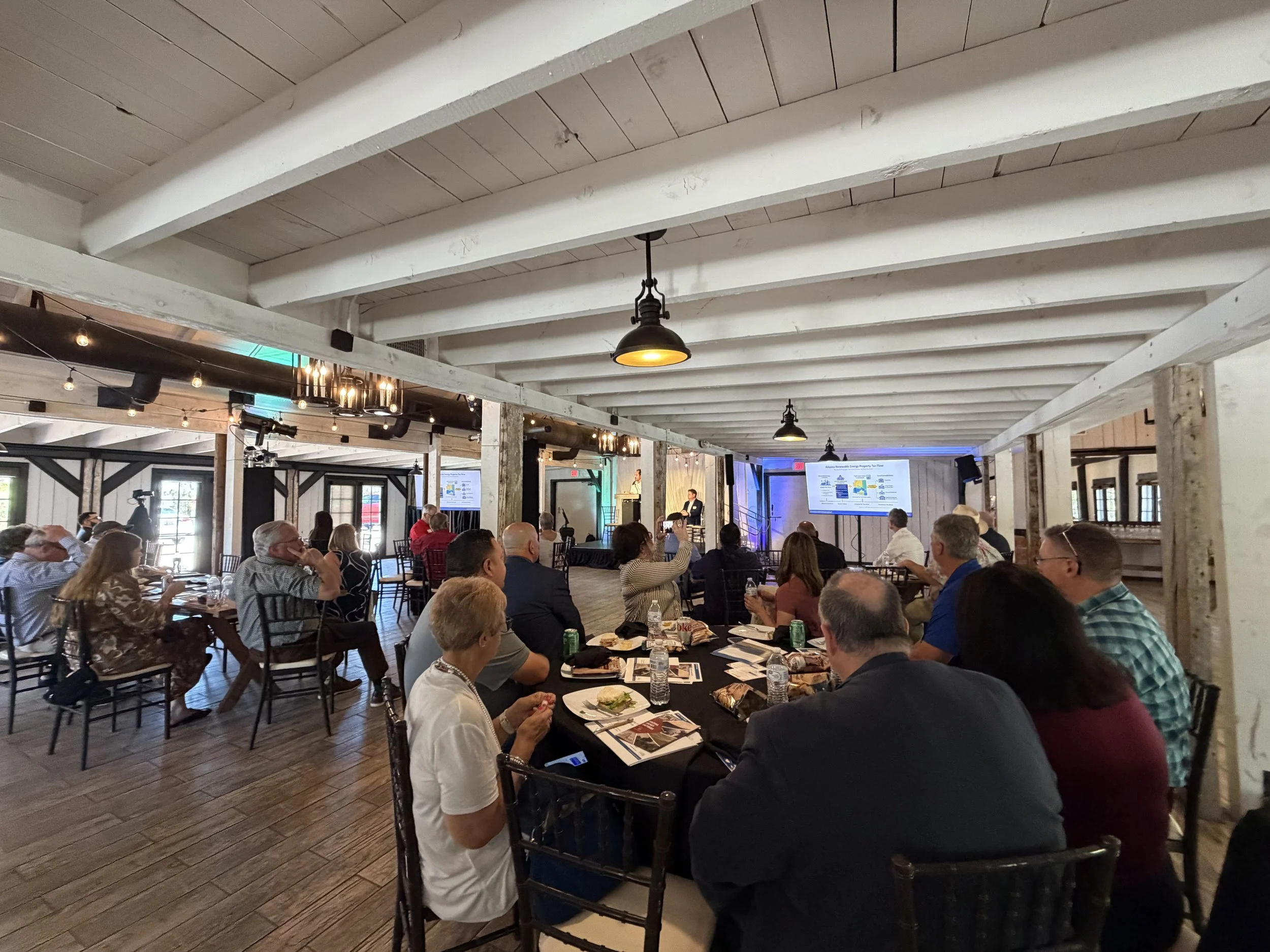
Rounds — one of Arizona's most widely cited economists, a Senior Fellow at the Goldwater Institute and a regular adviser to policymakers at the state capitol — walked attendees through the bigger economic picture: how personal property taxes on energy projects work in Arizona, how accelerated depreciation affects assessed values over time and what the real-world fiscal impact looks like for Pinal County. His previous research has estimated that Arizona's solar industry alone generates $7.3 billion in annual economic output statewide, supports more than 22,000 jobs and delivers $155 million per year in state and local tax revenue.
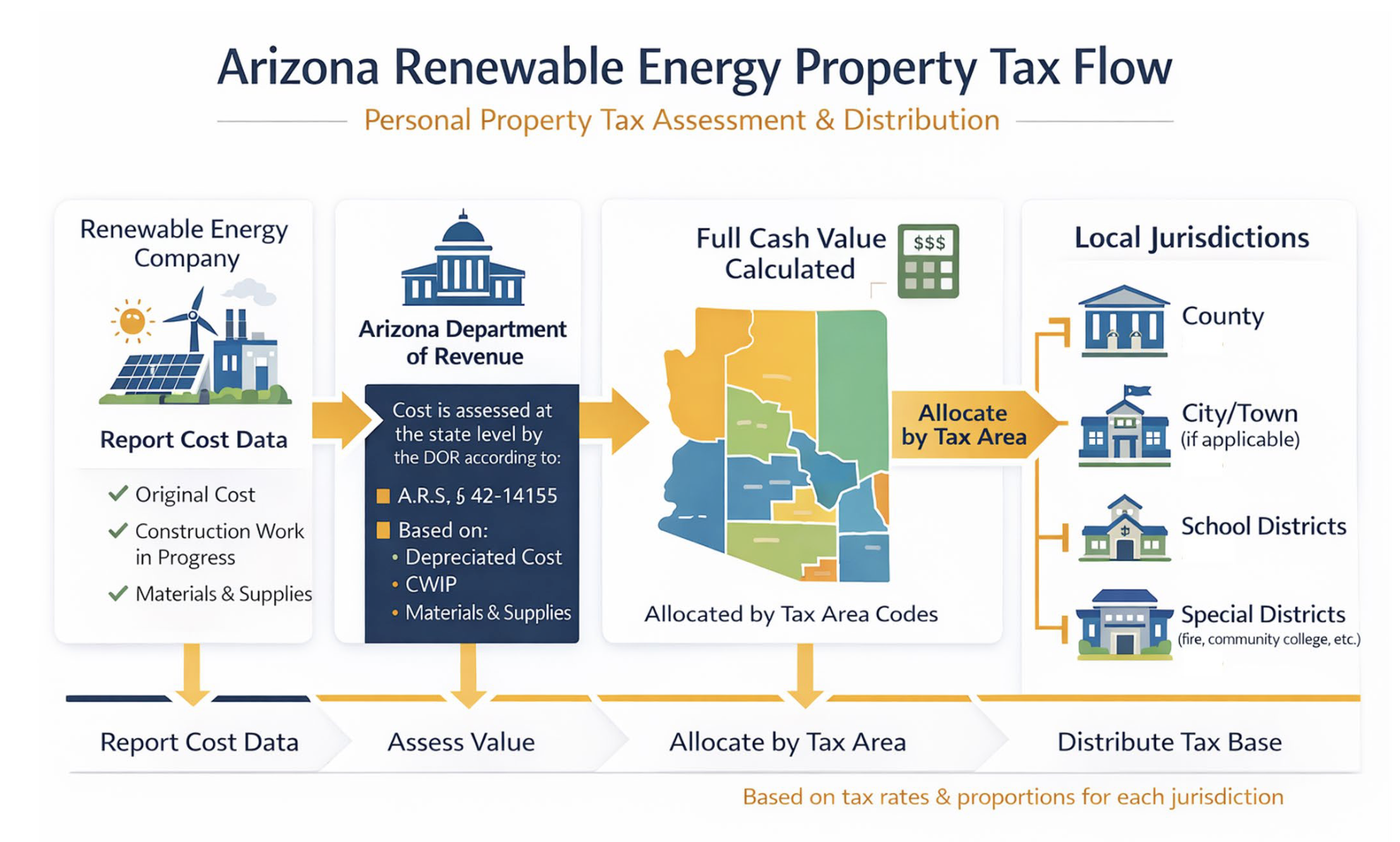
That's not an abstraction for Pinal County. The county's available land, existing transmission infrastructure and fast-growing demand — driven in part by data centers, manufacturing and population growth — have made it one of the most active regions in the state for utility-scale energy development. That development means construction jobs, ongoing operations employment and a growing stream of property tax revenue funding schools, roads, fire departments and other essential services.
The fireside chat gave attendees a chance to hear directly from McCarville on the land-use side of the equation — how lease agreements work, what landowners can expect and how energy projects fit alongside the agricultural and ranching operations that remain central to Pinal County's identity. Powell, drawing on his experience as a local elected leader, kept the conversation grounded in what matters most to residents: reliable information, transparent process and tangible community benefits.
The live Q&A — open to both in-person and virtual attendees — reflected the level of interest across the county. Residents came with sharp, specific questions about tax assessment methodology, depreciation timelines and how energy revenue compares to other revenue sources. That's exactly the kind of informed conversation these communities deserve.
At The Western Way, we believe energy decisions should be driven by economics and local conditions — not ideology or misinformation. Events like Powering Pinal County are how we put that principle into practice: bringing credible experts to the table, presenting the data clearly and letting communities draw their own conclusions.
The facts speak for themselves. And in Pinal County, the economic case for responsible energy development is strong.